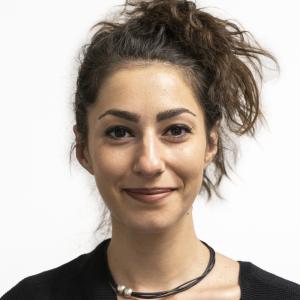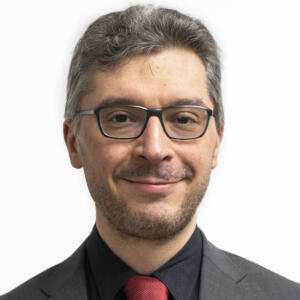



Roger Mac Ginty and Pamina Firchow elaborate on the Everyday Peace Indicators project, illustrating what do terms like “peace” and “security” mean to post-conflict societies.
Il concetto di human security sollecita un ripensamento della sicurezza, oltre la pura difesa militare del territorio e dello stato, per renderla capace di prestare attenzione anche al benessere dell’individuo.
Capire la natura violenta di alcuni conflitti è una questione che da sempre attira studiosi e professionisti da svariati ambiti. A partire dagli anni... Read More
Negli attuali scenari operativi la componente militare viene spesso impiegata in regioni culturalmente lontane da quelle di provenienza. Si tratta di aree dilaniate da... Read More
Governi, organizzazioni internazionali, ONG e accademici ricorrono a metodi diversi per misurare guerra e pace. Molti di questi si basano su fonti ufficiali, quali... Read More
“The SIPRI Yearbookis known worldwide as an authoritative and independent source for politicians, diplomats, journalists, scholars, students and citizens on armaments, disarmament and international security. It provides an overview of developments in international security, weapons and technology, military expenditure, the arms trade and arms production, and armed conflicts, along with efforts to control conventional, nuclear, chemical and biological weapons. Key findings of SIPRI Yearbook 2026 are that states are increasingly relying on nuclear weapons as instruments of national power—reversing decades of efforts to reduce the numbers and role of nuclear weapons—even as the risks of miscalculation and escalation are rising.“
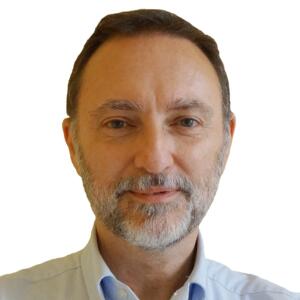
Dr. Edoardo Maria Landoni is a Research Fellow affiliated with the Violence & Security Program at T.wai and Teaching Assistant at the University of Milan.
Prof. Stefano Ruzza is Associate Professor of Political Science at the Department of Cultures, Politics and Society of the University of Turin. He is Head of T.wai's Violence & Security Program.