

[IT] L'articolo "La regolamentazione delle armi autonome: letteratura o diritto?" di Andrea Spagnolo, su Human Security n. 7, viene citato su Esquire in "La Russia vuole formare un esercito composto da robot entro 5 anni".
[IT] Fabio Armao (T.wai & Università degli Studi di Torino) nell'articolo "La politica e il virus: due lezioni che potremmo apprendere dal dramma della pandemia" per MicroMega.
The recent order by the ICJ in The Gambia v. Myanmar provides a concrete contribution to the efforts of the international institutions aimed at addressing the humanitarian emergency in Myanmar/Bangladesh and preventing the commission of acts of genocide against the Rohingya.
Among its major findings, the research pointed out that a dual and dynamic response to terrorism exists, affecting the agency of both state and non-state actors.
“The SIPRI Yearbookis known worldwide as an authoritative and independent source for politicians, diplomats, journalists, scholars, students and citizens on armaments, disarmament and international security. It provides an overview of developments in international security, weapons and technology, military expenditure, the arms trade and arms production, and armed conflicts, along with efforts to control conventional, nuclear, chemical and biological weapons. Key findings of SIPRI Yearbook 2026 are that states are increasingly relying on nuclear weapons as instruments of national power—reversing decades of efforts to reduce the numbers and role of nuclear weapons—even as the risks of miscalculation and escalation are rising.“
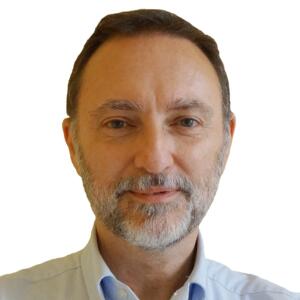
Dr. Edoardo Maria Landoni is a Research Fellow affiliated with the Violence & Security Program at T.wai and Teaching Assistant at the University of Milan.
Prof. Stefano Ruzza is Associate Professor of Political Science at the Department of Cultures, Politics and Society of the University of Turin. He is Head of T.wai's Violence & Security Program.