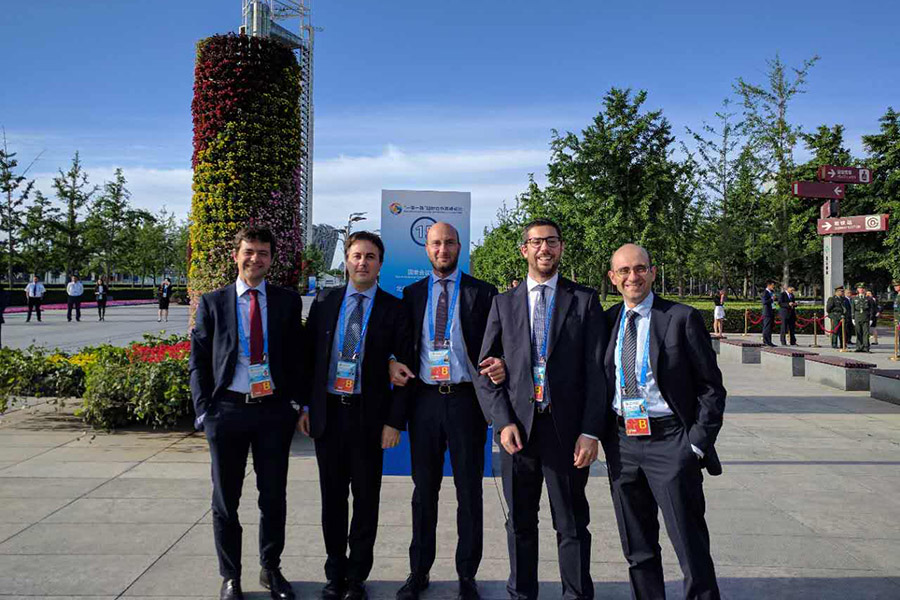
[IT] La rassegna stampa completa della visita effettuata dal Presidente Romano Prodi a Pechino (18-21 aprile 2017) in qualità di membro del Comitato Scientifico di T.wai.
[IT] "La risposta di Pechino non ci sarà, gli Usa cederanno sul commercio", Angelo Aquaro (La Repubblica) intervista Romano Prodi in qualità di membro del Comitato Scientifico di T.wai.
[IT] "Pechino non riesce a mediare, conflitto molto vicino", intervista di Giovanni Andornino (Università degli Studi di Torino) per il Quotidiano Nazionale.
We live in the best of times and in the worst of times. Indeed, we have seen many profound advances in technology aimed at solving issues such as world hunger, poverty, or climate change. Can Confucianism still teach us about the world order?
While operating in a context of growing interconnectedness, political actors construct their identities through multiple channels of self-representation. Which expectations on Japan's search for a soft-power narrative in the age of Abenomics?
“Ultimately, the future of global economic stability may depend on China’s willingness to reconsider the logic that has underpinned its ascent. Since 1949, the Chinese Communist Party’s anti-hegemonic strategy has been remarkably successful in reshaping the international environment and creating space for China’s extraordinary rise—an achievement rooted above all in the hard work, discipline, and resilience of the Chinese people. Yet history offers a cautionary lesson. Great powers encounter danger when they cease to view success as the product of contingency and effort and begin to view it instead as the expression of historical destiny. If Beijing falls into this trap, and refuses to heed Western warnings, it will trigger a vicious trade war that will leave the world much worse off, and the dream of China’s national rejuvenation in tatters.”