


[IT] Fabio Armao (T.wai & Università degli Studi di Torino) nell'articolo "Democrazia, diritto alla vita e potere di morte. Quel che hanno in comune il caso Regeni e la pandemia", scritto per MicroMega.
Ebola created mental barriers between contaminated and ‘clean’ regions that raised national security concerns. These barriers stripped people of their identity – they became viruses themselves – and of their social ties, keeping families and communities apart.
Behind well-established and fixed peacebuilding ‘models’ there always lies the danger of normativity and of a lack of flexibility. Rather than a model, it seems much more promising to foreground a frame within which to design more reflexive, adaptative and respectful peacebuilding strategies.
“The SIPRI Yearbookis known worldwide as an authoritative and independent source for politicians, diplomats, journalists, scholars, students and citizens on armaments, disarmament and international security. It provides an overview of developments in international security, weapons and technology, military expenditure, the arms trade and arms production, and armed conflicts, along with efforts to control conventional, nuclear, chemical and biological weapons. Key findings of SIPRI Yearbook 2026 are that states are increasingly relying on nuclear weapons as instruments of national power—reversing decades of efforts to reduce the numbers and role of nuclear weapons—even as the risks of miscalculation and escalation are rising.“
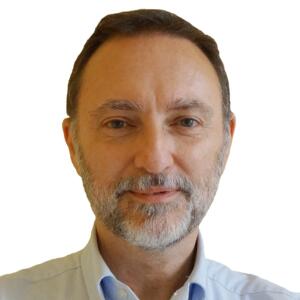
Dr. Edoardo Maria Landoni is a Research Fellow affiliated with the Violence & Security Program at T.wai and Teaching Assistant at the University of Milan.
Prof. Stefano Ruzza is Associate Professor of Political Science at the Department of Cultures, Politics and Society of the University of Turin. He is Head of T.wai's Violence & Security Program.