Nel 2007, l’Ecuador ha iniziato una politica di inclusione sociale “dal basso” che ha portato alla legalizzazione delle street gang che, in cambio di... Read More
“Vediamo quello che sta accadendo negli Stati Uniti”, dice Armando, “e ci preoccupa”. In quanto residente legale in Italia, emigrato 27 anni fa da... Read More
A partire dagli attacchi terroristici dell’11 settembre del 2001, l’attenzione delle istituzioni nazionali e internazionali e dei media è stata pressoché monopolizzata dalla minaccia... Read More
Nell’ultimo decennio organizzazioni umanitarie internazionali come la Croce Rossa Internazionale e Medici Senza Frontiere hanno dimostrato un crescente interesse per la violenza urbana, riflettendo... Read More
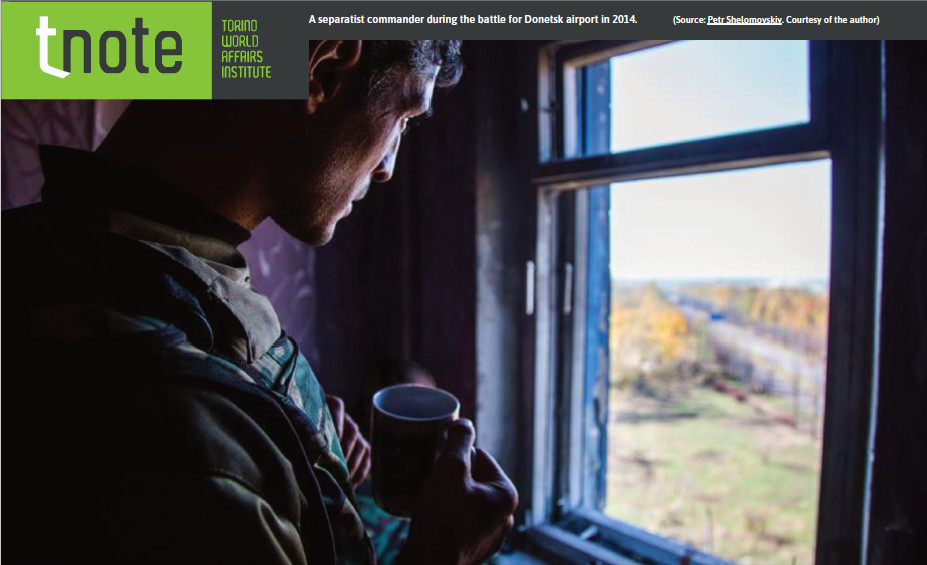
All’inizio di questo secolo, quando le guerre interstatali sembravano diradarsi, nuove narrative sulla “guerra” si sono affermate. Paradigmatici sono i casi della “Guerra al... Read More
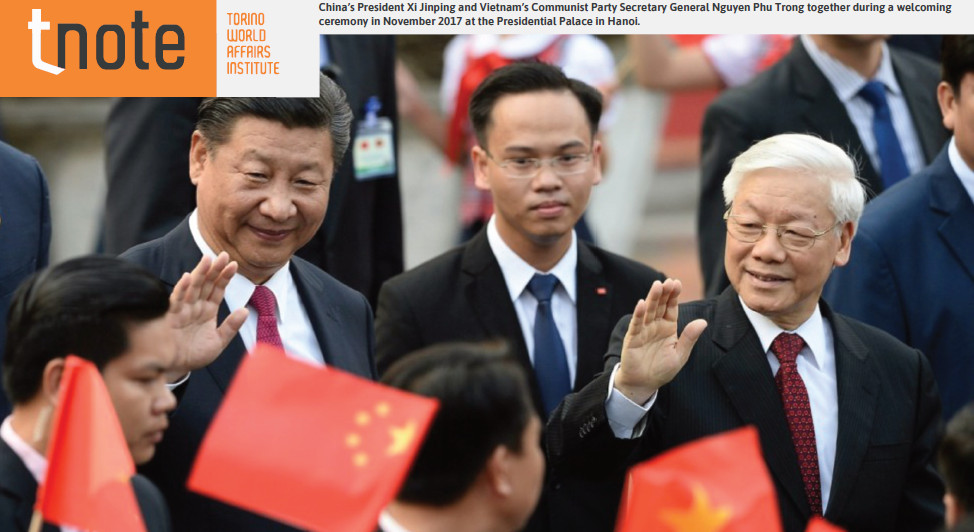
“Ultimately, the future of global economic stability may depend on China’s willingness to reconsider the logic that has underpinned its ascent. Since 1949, the Chinese Communist Party’s anti-hegemonic strategy has been remarkably successful in reshaping the international environment and creating space for China’s extraordinary rise—an achievement rooted above all in the hard work, discipline, and resilience of the Chinese people. Yet history offers a cautionary lesson. Great powers encounter danger when they cease to view success as the product of contingency and effort and begin to view it instead as the expression of historical destiny. If Beijing falls into this trap, and refuses to heed Western warnings, it will trigger a vicious trade war that will leave the world much worse off, and the dream of China’s national rejuvenation in tatters.”