


Gangs are in all respects one of the forms assumed by the growing clustering of the criminal industry, in a market of illegal goods and services that is becoming ever more complex and globalized, and completely immune to the cyclical downturn in demand.
In the early twenty-first century, as inter-state war appeared to decline in frequency, new forms and discourses of ‘war’ took prominence, epitomised by the ‘War on Terror’ and the ‘War on Drugs.’ For some critics, the use of the term ‘war’ in these contexts was deeply problematic.
Gli spazi pubblici giocano da sempre un ruolo chiave nello sviluppo urbano, rappresentando l’essenza di ogni città. Lo sapevano bene gli antichi romani, i... Read More
Nel 2007, l’Ecuador ha iniziato una politica di inclusione sociale “dal basso” che ha portato alla legalizzazione delle street gang che, in cambio di... Read More
“The SIPRI Yearbookis known worldwide as an authoritative and independent source for politicians, diplomats, journalists, scholars, students and citizens on armaments, disarmament and international security. It provides an overview of developments in international security, weapons and technology, military expenditure, the arms trade and arms production, and armed conflicts, along with efforts to control conventional, nuclear, chemical and biological weapons. Key findings of SIPRI Yearbook 2026 are that states are increasingly relying on nuclear weapons as instruments of national power—reversing decades of efforts to reduce the numbers and role of nuclear weapons—even as the risks of miscalculation and escalation are rising.“
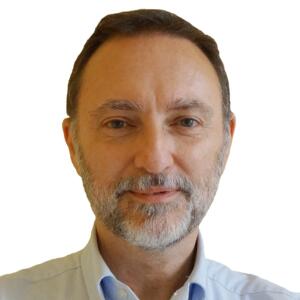
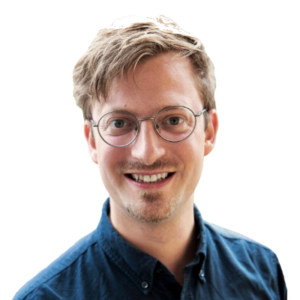
Dr. Edoardo Maria Landoni is a Research Fellow affiliated with the Violence & Security Program at T.wai and Teaching Assistant at the University of Milan.
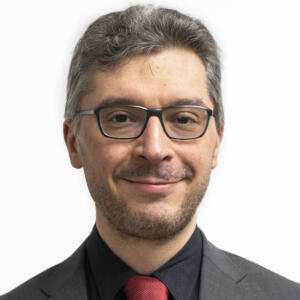
Prof. Stefano Ruzza is Associate Professor of Political Science at the Department of Cultures, Politics and Society of the University of Turin. He is Head of T.wai's Violence & Security Program.