


Behind well-established and fixed peacebuilding ‘models’ there always lies the danger of normativity and of a lack of flexibility. Rather than a model, it seems much more promising to foreground a frame within which to design more reflexive, adaptative and respectful peacebuilding strategies.
Building back better requires integrated approaches that address the impacts of COVID-19 across sectors, including health, environment, climate and urban planning.
For understandable reasons, we often focus on immediate problems. But we risk overlooking important parts of the evidential trail if we do not try to understand the long-term processes that account for present-day circumstances.
“Nel rifornimento del 5 ottobre il dialogo è stato costellato da domande e punti interrogativi. Come si vuole in queste occasioni, la discussione è stata introdotta da una relazione di apertura, tenuta da Richard Higgott, dell’Istituto Universitario Europeo e allievo di Susan Strange, che si concentrava su cosa fosse una “media potenza” e sul ruolo delle medie potenze nel mondo di oggi. Non poteva mancare il riferimento a Mark Carney, il primo ministro canadese che a gennaio di quest’anno ha dichiarato chiusa l’era della “Pax americana” a Davos, avviando un dibattito sul ruolo delle medie potenze in questa epoca “post”.”
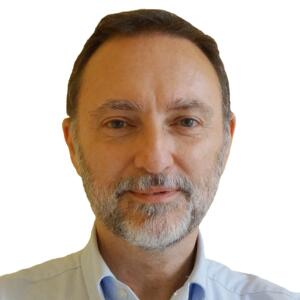
Dr. Edoardo Maria Landoni is a Research Fellow affiliated with the Violence & Security Program at T.wai and Teaching Assistant at the University of Milan.
Prof. Stefano Ruzza is Associate Professor of Political Science at the Department of Cultures, Politics and Society of the University of Turin. He is Head of T.wai's Violence & Security Program.