“Singapore… vado a Singapore, vi saluto belle signore!” recitava un motivetto degli anni Settanta che usavo canticchiare spesso quando ero bambina. Quando, nella primavera... Read More
Nel 2013 il Presidente Xi Jinping lanciò l’Iniziativa “Belt and Road” (BRI) con l’obiettivo di rafforzare il commercio e l’economia mondiali, e di assorbire... Read More
La relazione recente tra Filippine e Cina è stata connotata da turbolenze e dispute. Questioni legate ai progetti di sviluppo hanno generato dubbi circa... Read More
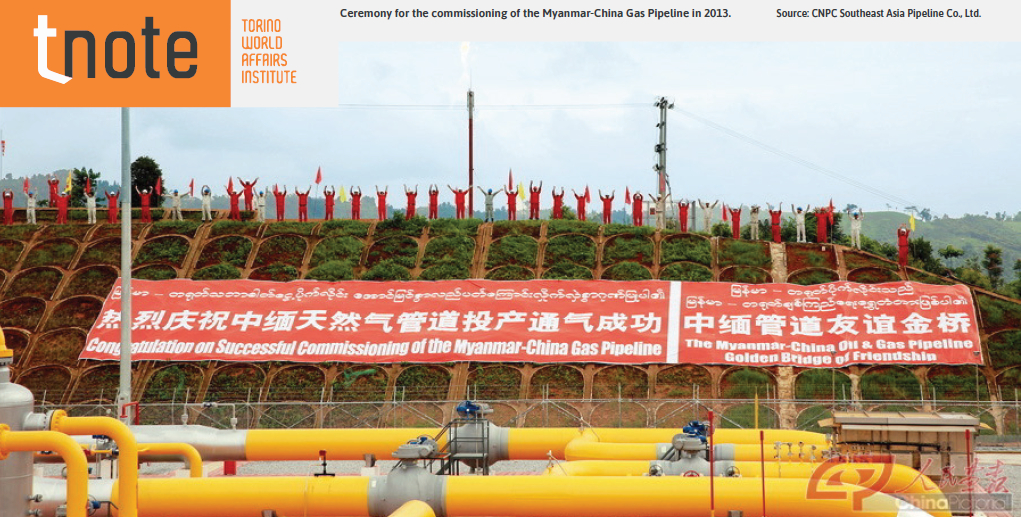
Le riforme seguite alla transizione democratica del Myanmar hanno ottenuto due risultati principali per quanto riguarda l’integrazione del Myanmar nella comunità internazionale. Uno è... Read More
La Nuova Zelanda è un campione del multilateralismo, è stata tra i proponenti originari del Partenariato Trans-Pacifico (TPP) ed è coinvolta nei negoziati per... Read More
“Ultimately, the future of global economic stability may depend on China’s willingness to reconsider the logic that has underpinned its ascent. Since 1949, the Chinese Communist Party’s anti-hegemonic strategy has been remarkably successful in reshaping the international environment and creating space for China’s extraordinary rise—an achievement rooted above all in the hard work, discipline, and resilience of the Chinese people. Yet history offers a cautionary lesson. Great powers encounter danger when they cease to view success as the product of contingency and effort and begin to view it instead as the expression of historical destiny. If Beijing falls into this trap, and refuses to heed Western warnings, it will trigger a vicious trade war that will leave the world much worse off, and the dream of China’s national rejuvenation in tatters.”