Investigating the players, institutions and narratives driving political and economic dynamics across fast-emerging Asia

Emerging trends in transnational security: from the rise of non-state actors to force privatization
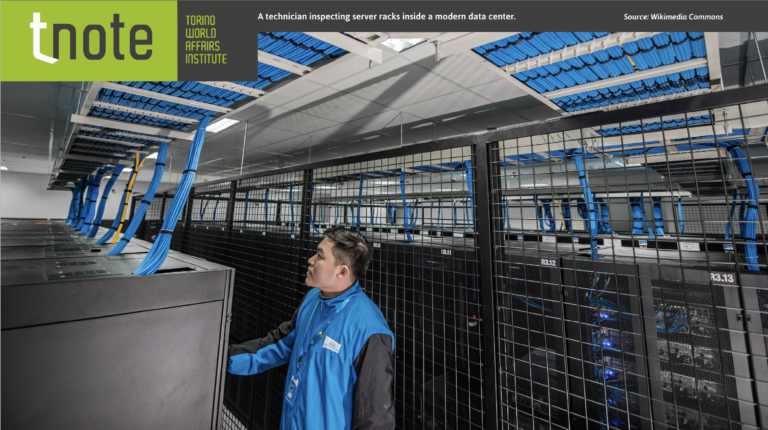
What is often described as “virtual” is being brought back under territorial logics, through control over where data are stored and processed, which infrastructures and providers are considered trustworthy, and how cross-border connectivity is governed.
In the past seven years, Armenia has gone through a roller-coaster of changes, crises, challenges, and upheavals. In 2018 the mass movement of civil disobedience known as the “Velvet Revolution” succeeded in ousting the incumbent authoritarian regime and bringing Nikol Pashinyan to power as Prime Minister.
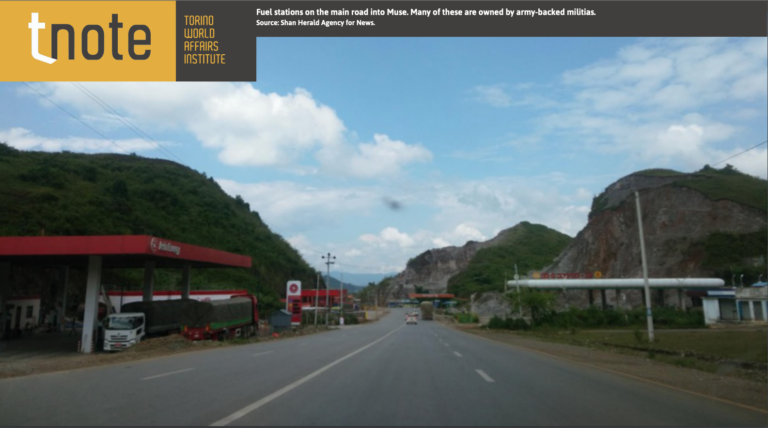
As Muse has transformed into a strategic border hub, the illegal drug economy has become deeply embedded in systems of rule, economic development and everyday life.
Even though in recent years China and Indonesia have seemed to share a destiny that is, if not a common one, at least closely intertwined, they always need to be careful and must come to terms with their troubled relationship.
The PRC is widely recognized as a destination market for many women trafficked in Asia, particularly from Vietnam. Trafficking in women in China is a sensitive and complex issue that threatens public health, security, gender equity and sustainable development.
If women are predominantly imagined as victims, they can only be taken into consideration in this capacity when the post-war order is designed.
China’s ambition on climate change in a post-pandemic world | Katherine Morton
New East Asian institutions could challenge the global economic order | T.J. Pempel
Chinese economic statecraft. An illiberal actor in a (more) liberal global economy | Shaun Breslin